Victoria Park and Bow Locks moving routes for removals in Bow
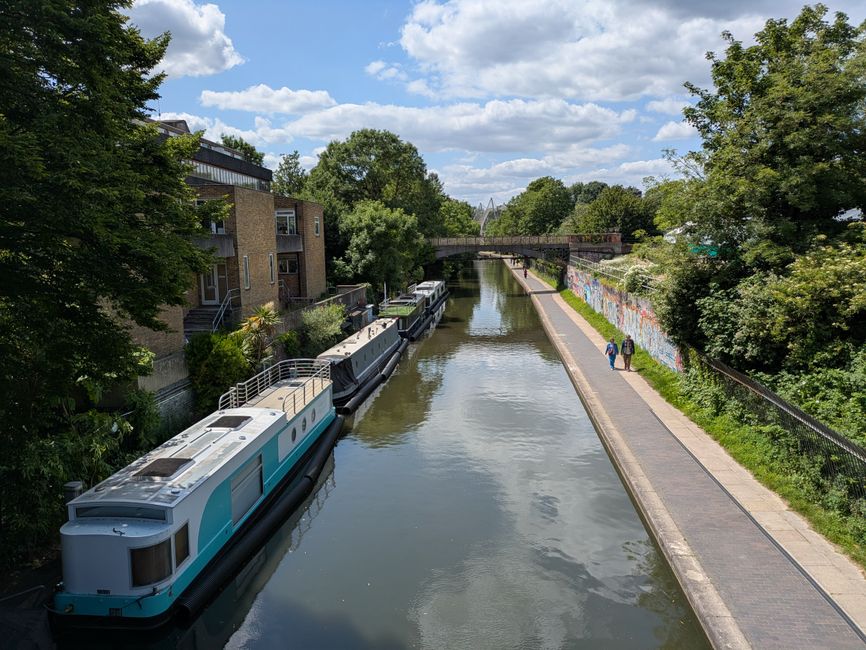
Moving home or office in Bow sounds simple enough on paper. Then you start thinking about van access, timed loading, tight turns, parked cars, cycle lanes, and whether your sofa will actually fit through the hallway without a small drama. That is where Victoria Park and Bow Locks moving routes for removals in Bow become genuinely useful. Not as a fancy phrase, but as a practical way to think about how removals vehicles, carriers, and boxes move through this part of East London without wasting time or creating avoidable stress.
In a place like Bow, route choice matters. A lot. If you are heading through the roads around Victoria Park, or working closer to Bow Locks and the waterways, the best moving route is rarely the shortest one on a map. It is usually the one that keeps the vehicle accessible, the loading safe, and the day moving at a sensible pace. This guide breaks that down clearly, so you can plan better, avoid common mistakes, and decide what kind of removal service actually fits your move.
Why Victoria Park and Bow Locks moving routes for removals in Bow Matters
Bow sits in a part of London where movement is shaped by real-world constraints rather than neat straight lines. Around Victoria Park, you can run into busier residential streets, school traffic, park activity, and regular stop-start movement. Near Bow Locks, the waterways and surrounding road layout add another layer: some roads feel straightforward on a quiet morning and awkward by midday. For removals, that means route planning is not a side issue. It is central to how smoothly the day goes.
Let's face it: a removal van stuck behind the wrong set of parked cars can throw off your whole timetable. Even a 10-minute delay may matter if you have access windows, neighbours waiting, or multiple loads to shift. The right route helps your movers arrive on time, park in a sensible place, and carry items with less back-and-forth. That reduces strain on people and furniture alike.
This is also why local knowledge beats guessing. A removal company familiar with Bow, Victoria Park approaches, and Bow Locks access patterns can often spot issues before they become problems. They may know which turns are awkward for larger vehicles, where a man with a van is more practical than a larger lorry, and when a smaller vehicle or second shuttle run makes more sense than trying to squeeze everything into one oversized trip.
For people planning a house move, this kind of route thinking can be the difference between a calm day and a slightly chaotic one. And nobody wants to be carrying a bedside table through drizzle while a driver circles the block, wondering where to stop. Not ideal.
How Victoria Park and Bow Locks moving routes for removals in Bow Works
In practical terms, route planning for removals in this part of Bow means matching the property, vehicle, timing, and load to the street environment. It starts before moving day. Good movers will usually consider the road width, nearby parking, access restrictions, distance from the front door to the vehicle, and whether any bulky items need a clearer path.
Think of it as a layered decision rather than a single route choice. The first layer is the journey to the area. The second is the approach to the property. The third is the loading position. Then there is the hand-carried route from the door to the van. Each layer can help or hinder the move.
Near Victoria Park, the best route may prioritise predictable access and easier loading over speed alone. Near Bow Locks, it may be worth planning around narrower streets, roadside parking pressure, or slightly longer walking distance from the van to the entrance. If you are moving from a flat, the route also needs to suit lifts, stairwells, and any building rules. With office moves, the same principle applies, just with more boxes, cables, and the occasional mystery chair.
A practical removal setup often looks like this:
- confirm the property access point and loading area
- check whether the vehicle size suits the streets nearby
- decide if one large trip or several smaller trips will be faster
- protect walkways, door frames, and high-touch corners
- use packing labels so items come off the van in the right order
For many moves, a flexible service such as man and van removals is enough. For larger properties or business relocations, a more structured removal services approach may be better because it supports planning, lifting, transport, and unloading as one coordinated process.
Key Benefits and Practical Advantages
The biggest benefit of choosing the right Victoria Park and Bow Locks moving route is simple: less friction. That means fewer delays, fewer awkward manoeuvres, and less risk of damage. But there are a few more specific advantages worth spelling out.
- Better timing: a sensible route reduces the chance of running late because of access bottlenecks or repeated parking adjustments.
- Safer handling: shorter, clearer carrying distances reduce the chance of knocks, trips, and strained backs.
- Lower stress: when the vehicle can stop close to the property, the move feels less frantic.
- More efficient loading: movers can work in a steadier rhythm, which matters more than people realise.
- Better fit for the job: a route-aware move can guide whether you need a van, a truck, or a mixed approach.
There is also a quieter benefit: confidence. When you know the route has been thought through properly, you stop second-guessing every detail. That helps on moving day, especially if you are juggling keys, kids, pets, or work calls. Some customers tell us the first noticeable relief is simply hearing, "We've got the best access point sorted." Small thing, big impact.
If you are comparing providers, it is also worth looking at how they handle move planning. A good removal company will ask route-related questions early, not after the van has already been booked. That is usually a good sign.
Who This Is For and When It Makes Sense
This kind of route planning is relevant to more people than you might think. It is not only for big moves or complicated buildings. In fact, it often matters most when the property looks easy at first glance.
You will find it especially useful if you are:
- moving from a flat near Victoria Park with limited parking nearby
- relocating from streets that are busier at school run or commuter times
- moving a family home with bulky furniture and a lot of boxes
- planning a small office move where timing matters more than size
- using a movers team for fragile or heavy items
- trying to reduce the number of carrying trips between the door and the van
It also makes sense if your move is time-sensitive. Perhaps your tenancy handover is tight, or maybe the new place is only available from a particular hour. In those cases, even a small route complication can cause a chain reaction. That is the sort of thing people underestimate until they are standing in the hallway at 2:15 pm, staring at a wardrobe that refuses to cooperate.
Commercial customers, too, should think this way. If a business is relocating near Bow Locks or along approaches to Victoria Park, efficient routing can help maintain customer access, reduce staff downtime, and keep equipment moving in a controlled way. For those moves, office removals can be a more suitable option than a basic van hire arrangement.
Step-by-Step Guidance
If you want to plan a move around Victoria Park and Bow Locks properly, it helps to break the process down. Here is the practical version.
- Assess the property access. Look at the front door, stair access, lift access, and the route from the pavement to the entrance. If you have to carry furniture around bins, railings, or tight corners, make a note of that.
- Check vehicle fit. A larger vehicle is not always better. Sometimes a smaller removal van is easier to park and quicker to load, particularly on awkward streets.
- Plan the best arrival window. Morning may be calmer in one area and busier in another. It depends. Be flexible where you can.
- Sort the loading order. Put the items you need first at the back of the van or in the easiest-to-access section.
- Protect the route inside the property. Use floor protection where needed and clear obstacles before the crew arrives.
- Confirm parking and waiting details. If your street is tight, the loading spot may need to be agreed in advance with whoever is managing the move.
- Choose the right removal support. For larger jobs, look at a structured team. For smaller or quicker moves, a simpler service may work well. The trick is matching the service to the route, not the other way around.
A useful rule of thumb: if the route starts feeling like a puzzle, it probably needs a proper pre-move check. Not panic. Just a check. The two are very different.
Expert Tips for Better Results
In our experience, a smooth move in Bow usually comes down to the small things done early. Here are the tips that genuinely help.
- Label by room and priority. That means movers can unload in a sensible sequence, which is especially helpful in flats and shared entrances.
- Keep one walking path clear. Even in a cramped hallway, one clean route makes a huge difference.
- Use proper wrapping for awkward items. Mirrors, lamp bases, and table legs often get damaged because people assume they are "only light items." They are still breakable.
- Ask about route experience. A local crew that knows the Bow area will often move faster because they are not learning the roads on the day.
- Build in buffer time. A small cushion protects your day from the sort of delays that always seem to appear at the worst moment.
If you have furniture to dispose of, think about that separately rather than mixing it into the main load. A dedicated furniture pick up arrangement can prevent the van from getting cluttered with items that are not going to the new property.
Expert summary: the best route is not just the fastest road on a map. It is the one that lets your team park safely, carry efficiently, and unload without turning a straightforward day into a small expedition.
Common Mistakes to Avoid
Most moving problems are predictable, which is slightly annoying and also useful. If they are predictable, they can be avoided.
- Choosing the route without checking parking reality. A road can look fine online and still be miserable for loading.
- Booking the wrong vehicle size. Too big and it becomes a parking headache; too small and you add more trips than necessary.
- Ignoring the final 20 metres. People focus on the journey across London and forget that the real challenge may be the front steps.
- Leaving packing too late. If boxes are still half-open on the morning of the move, the route is already the least of your problems.
- Not telling movers about access constraints. That includes low trees, narrow entrances, awkward corners, or shared access points.
One small but common issue is overconfidence. "It's only down the road." True. But down the road in Bow can still mean timing pressure, traffic friction, and a van that needs to stop in exactly the right place. Local moves are not automatically simple. They just look that way until the first box is lifted.
Tools, Resources and Recommendations
You do not need a warehouse of equipment to manage a move well. But a few practical tools make a notable difference.
- Room labels and colour stickers: helpful for keeping boxes in order, especially in multi-storey homes.
- Furniture blankets and straps: useful for preventing movement inside the van.
- Tape, markers, and a box cutter: basic, yes, but essential. Nothing glamorous here.
- Protective covers for mattresses and sofas: worth it if the route includes outdoor carrying or wet weather.
- A realistic moving timetable: this may be the most important tool of all.
If you are deciding between move types, it helps to compare the main options in plain terms.
| Option | Best for | Strengths | Trade-offs |
|---|---|---|---|
| Man and van | Small to medium moves, quick local jobs | Flexible, often easier on narrow streets | Limited capacity compared with larger vehicles |
| Full removal team | Family homes, larger flats, complex access | More support, better for heavy lifting | Usually needs more planning |
| Office relocation service | Business moves and equipment relocation | Better coordination, reduced downtime | May require more scheduling discipline |
For customers comparing suppliers, it can also help to read about house removals if the move is domestic, or explore commercial moves if it is business-related. The right page should match the shape of your move, not just the street name.
Law, Compliance, Standards, or Best Practice
Removal work in London should always be handled with care around safety, access, and lawful parking. While every move is different, the general best practice is straightforward: make sure the crew can work safely, the vehicle can stop without creating hazards, and the property can be accessed without damaging shared areas or blocking others.
Good removal companies also tend to operate with clear terms, sensible insurance arrangements, and proper handling of customer property. If you are comparing providers, ask about liability, item protection, and what happens if access is tighter than expected. That is not being awkward. It is being sensible.
It is also wise to work with teams that take health and safety seriously. A good place to start is understanding the company's own health and safety policy and insurance and safety approach. Those pages should help you understand the standards behind the service in plain English.
For peace of mind, you may also want to read the company's terms and conditions and payment and security information before booking. It is not thrilling reading, admittedly, but it can save confusion later. A five-minute check now beats a headache later on moving day.
Options, Methods, or Comparison Table
When choosing how to handle a move around Victoria Park and Bow Locks, the main question is usually not "What is cheapest?" but "What is best for this route and this property?" That framing tends to produce better decisions.
| Move type | Route complexity | Ideal access situation | Typical fit |
|---|---|---|---|
| Local van move | Low to medium | Straightforward street parking or short carry distance | Studio flats, one-bed moves, smaller furniture loads |
| Two-person removal service | Medium | Moderately tight access or multiple heavy items | Two-bed homes, family relocations, fragile furniture |
| Full packing and removal package | Medium to high | Busy schedules, large loads, time pressure | Families, professionals, offices, and anyone wanting less stress |
If you are leaning towards extra help, packing and unpacking services can make a genuine difference. Not because people cannot pack, obviously, but because packing well takes more time than most of us remember until the last week. Funny how that works.
Case Study or Real-World Example
Picture a couple moving from a second-floor flat near Victoria Park to a new place closer to Bow Locks. Nothing dramatic. No grand piano. No antique wardrobe that needs a crane. Just a normal London move with standard furniture, a few awkward boxes, and a small amount of road congestion to deal with.
They initially planned to use the most direct route on the map. On paper it looked fine. But after checking access, the team realised a slightly different approach would reduce the chance of being boxed in by parked vehicles and would give better space for loading. The vehicle arrived on time, parked where it could be seen and reached safely, and the job ran in one steady flow. Not perfect, because moves rarely are, but calm enough. And calm is underrated.
The important part was not that the road was shorter or longer. It was that the route matched the reality of the property. The movers used a van sized for the access, labelled the boxes by room, and kept the heaviest items close to the loading point. The result was less carrying, less fiddling, and fewer pauses to rethink the plan.
That is the real lesson here. A good route is part logistics, part local awareness, and part common sense. You do not need a military operation. You just need a plan that fits the streets.
Practical Checklist
Use this before moving day if you want a smoother experience around Victoria Park and Bow Locks.
- Confirm the full address and any access notes
- Check whether the van or truck can stop safely near the entrance
- Measure any furniture that might be difficult to carry
- Tell movers about stairs, lifts, or narrow hallways
- Pack essential items separately
- Label boxes by room and priority
- Protect fragile items with proper wrapping
- Set aside keys, documents, and phone chargers
- Review parking or loading expectations in advance
- Choose the right service level for your load size
If you are moving locally and want a broader overview of service options, it may also help to look at removals and removals near me as a starting point for service comparison.
Get a free quote today and see how much you can save.
Conclusion
Victoria Park and Bow Locks moving routes for removals in Bow are about more than geography. They are about making a London move practical, predictable, and a bit less stressful than it could be. If you get the route right, everything else tends to flow better: loading, timing, safety, and the all-important arrival at the new place without feeling completely drained.
The best outcome usually comes from three things working together: a route that suits the streets, a vehicle that suits the access, and a removal plan that suits the size of the job. That is the formula, really. Nothing fancy. Just thoughtful preparation and the right support when you need it.
And once the last box is inside, the kettle is found, and the front door finally shuts behind you, it tends to feel worth it. A fresh start always does.
Frequently Asked Questions
What are Victoria Park and Bow Locks moving routes for removals in Bow?
They are the practical routes and access choices used to move goods, furniture, and boxes through the Bow area, especially around Victoria Park and Bow Locks, where road layout and parking can affect removals.
Why does route planning matter for a house move in Bow?
Because the best route helps the van park safely, shortens carrying distances, and reduces delays. In an area with busy streets and limited loading space, that can make a major difference.
Is a man and van service enough for a local move near Victoria Park?
Often, yes. If the load is fairly small and access is manageable, a local man and van service can be a practical fit. For bigger homes, you may need something more structured.
Should I choose a larger van or a smaller one for Bow streets?
That depends on the access. A smaller van can be easier to park and quicker to position on tighter streets, while a larger vehicle may suit bigger loads if access is straightforward.
How far in advance should I plan my moving route?
As early as possible. Even a few days of planning can help, especially if your property has awkward parking, stairs, shared access, or time-sensitive handovers.
What if my building has limited access or no easy parking?
Tell the removal team before booking. They can usually adjust the vehicle choice, loading point, or method of work so the move still runs smoothly.
Do office moves near Bow Locks need different planning?
Yes. Office relocations often involve more equipment, more timing pressure, and a greater need to reduce downtime. A more coordinated service such as office relocation services is often the better option.
Can movers help with packing as well as transport?
Yes, many can. If you want less last-minute stress, packing and unpacking services can save time and make the move feel more controlled.
What should I ask a removal company before I book?
Ask about route experience, vehicle size, access planning, insurance, and how they handle tight loading conditions. A good company will answer clearly and without fuss.
How do I know if I need full removals rather than a smaller service?
If you have several rooms of furniture, fragile items, stairs, or time pressure, full house removals support is usually more suitable. Smaller moves may work fine with a van-based service.
What happens if the road is busier than expected on moving day?
A flexible crew will usually adapt by adjusting the parking position, changing the carry route, or staggering the load. Good planning helps, but a bit of adaptability helps too. It's London, after all.
How can I prepare items for a local move in Bow?
Pack by room, label everything clearly, keep essentials separate, and protect breakables properly. If you have furniture you do not want to take, consider arranging a separate furniture pick up.
Where can I read more about the company before I book?
You can review the company's about us page, along with its safety, payment, and terms information, so you know how it works before you commit.
How do I get a quote for a move in Bow?
Start with the details of your property, access, and load size, then use the booking or enquiry process. For price guidance, the pricing and quotes page is the most relevant place to begin.
If you are ready to move, keep it simple: plan the route, choose the right level of help, and let the day unfold one box at a time. That is usually how the smooth moves happen.